
Stephen Sumrall-Orsak
About
Stephen Sumrall-Orsak is a contemporary Texas artist. He graduated with a BA in Art from Trinity University in 2021. His mediums include wood, sculpture, photography, and drawing. His methodology and approach are rooted in slow and methodical explorations of analogues.
Stephen's artistic approach stands as a deliberate resistance to the disposability of contemporary "fast" culture.
His work is featured in the Trinity University Coates Library, Schreiner University's Texas Collection, and Museo Benini among others.
In August of 2024, he opened his studio in Marble Falls, Texas.
The studio is open by appointment — visitors are warmly invited to experience the work and the process firsthand, and enjoy a coffee or glass of while absorbing the atmosphere of his studio.
Artist Statement
My work strives to contextualize the world around me through the utilization of craft processes. Contextualization entails investigating how pieces of the past: discarded objects, obsolete processes, and forgotten indexes have come to be forgotten, and what role they may serve today. Craft processes are the basis of my contextualization. Old tools, methods, and a hands-on approach to working are my connections to the analogue of the past. I am drawn to the ideas of fracturing and recontextualization present in traditions of black-and-white film, surrealism, and postmodernism.
Using craft, I bring the beauty of the past into the present through the specificity of “traditional processes” of creation whether it be using chisels, gouges, planes or saws to slowly work away at a piece of work, using analogue film and slides, or by gradually building up tones by making dozens of layers of graphite and charcoal. I inform my processes of creation based on a rejection of today’s rapid culture. We are more than internet culture, disposable culture, urbanization, or instant gratification. With my work comes a celebration of beauty through acknowledgment of the time-consuming process of creating. I ask the viewer to slow down, to ponder, to appreciate the beauty of old processes. Film, wood, metal, and paper are among the materials most effective for this task. My work is tactile; something you can hold and interact with whose qualities don’t transfer through a screen.
Materiality is integral to the process of slowing down. It cannot be fully digested through digitalization. Instead, it physically encourages the cultivation of personal relationships. In a society so focused on moving forward, there is a need to slow down and acknowledge the past. The world is not stark, clean, or “modern”.
Projects
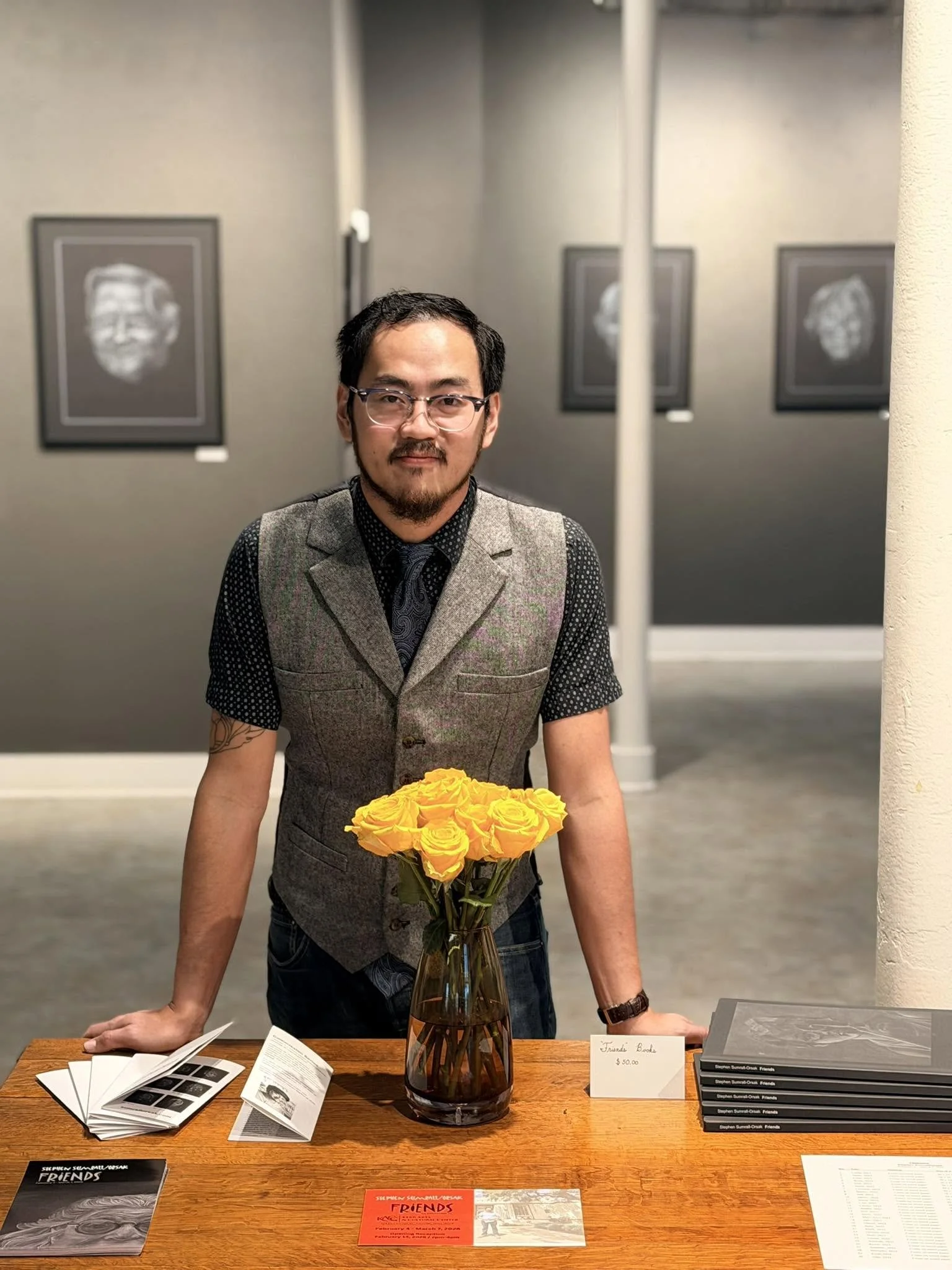
"Friends" Exhibition at Kerr Arts & Cultural Center
Winter, 2026
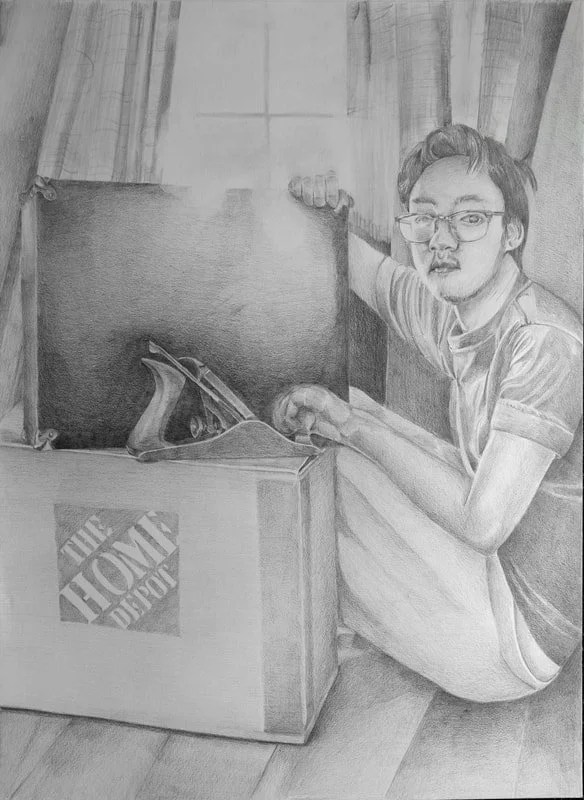
"Friends" a series of portraits celebrating a diverse and vibrant group of people whom I am honored to call my friends. Thirty black-and-white conté drawings will be on view. The exhibition will be on display at the Kerr Arts & Cultural Center from February 4th to March 7th. The opening will be on February 14th from 2- 4pm.
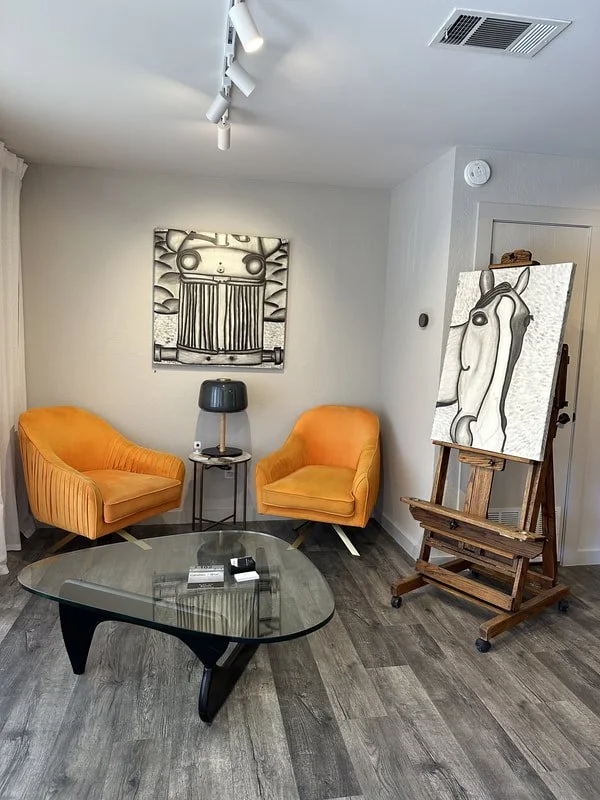
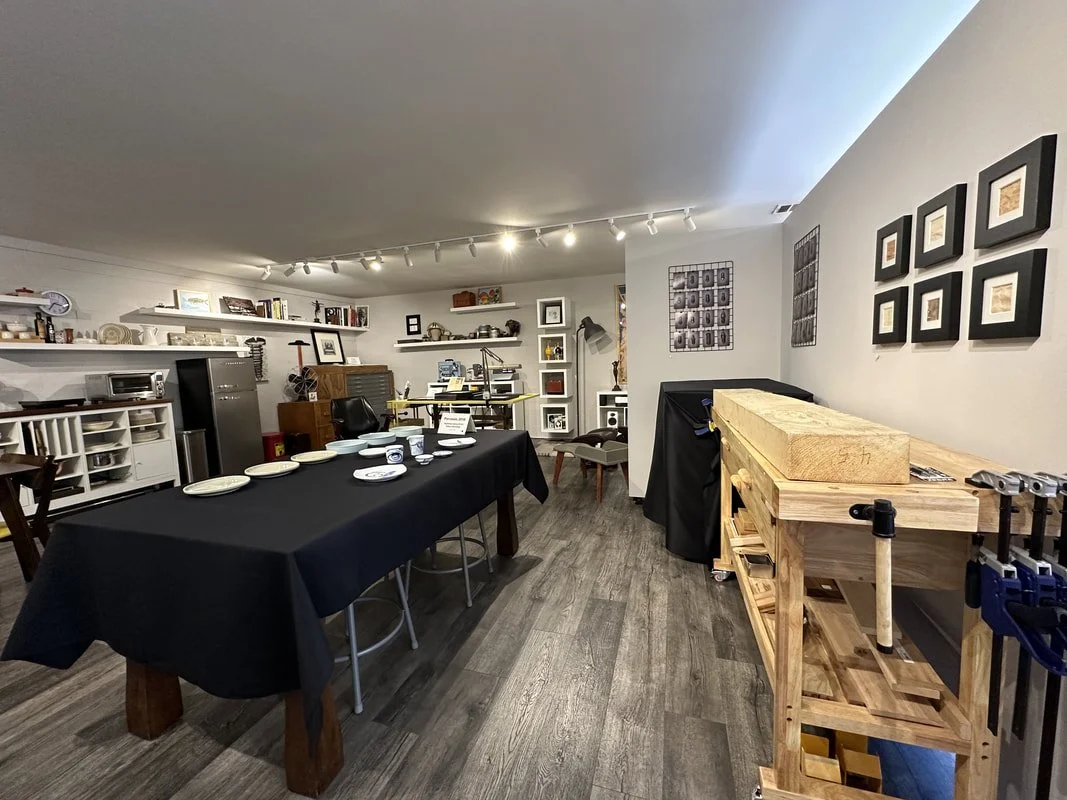
Opening “Studio Sumrall Orsak”
Fall, 2024
The studio is located at 1510 N U.S. Hwy 281, Ste 102. I am proud to start the new chapter of my art career.
"Cabinet Oak Project" Imaging History Through Fragments of The Cabinet Oak
Summer, 2023
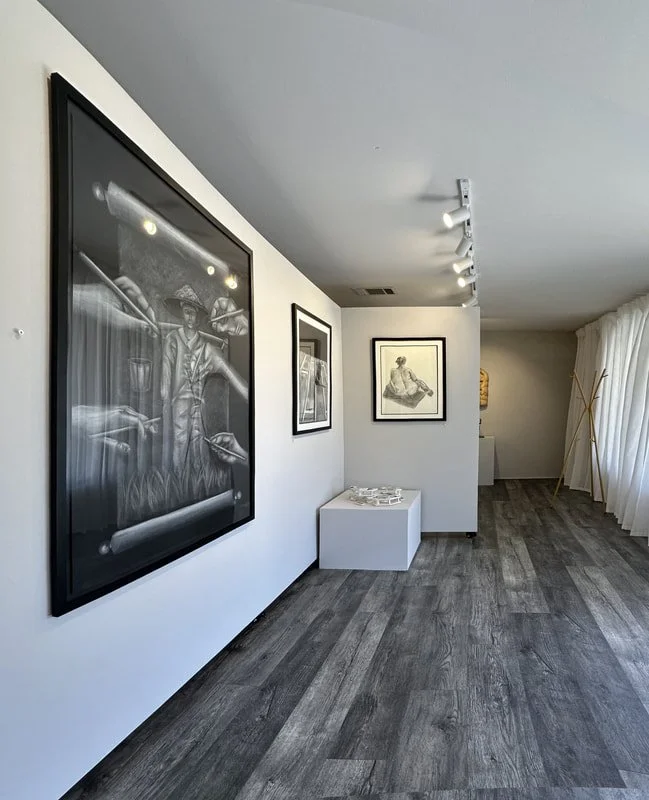
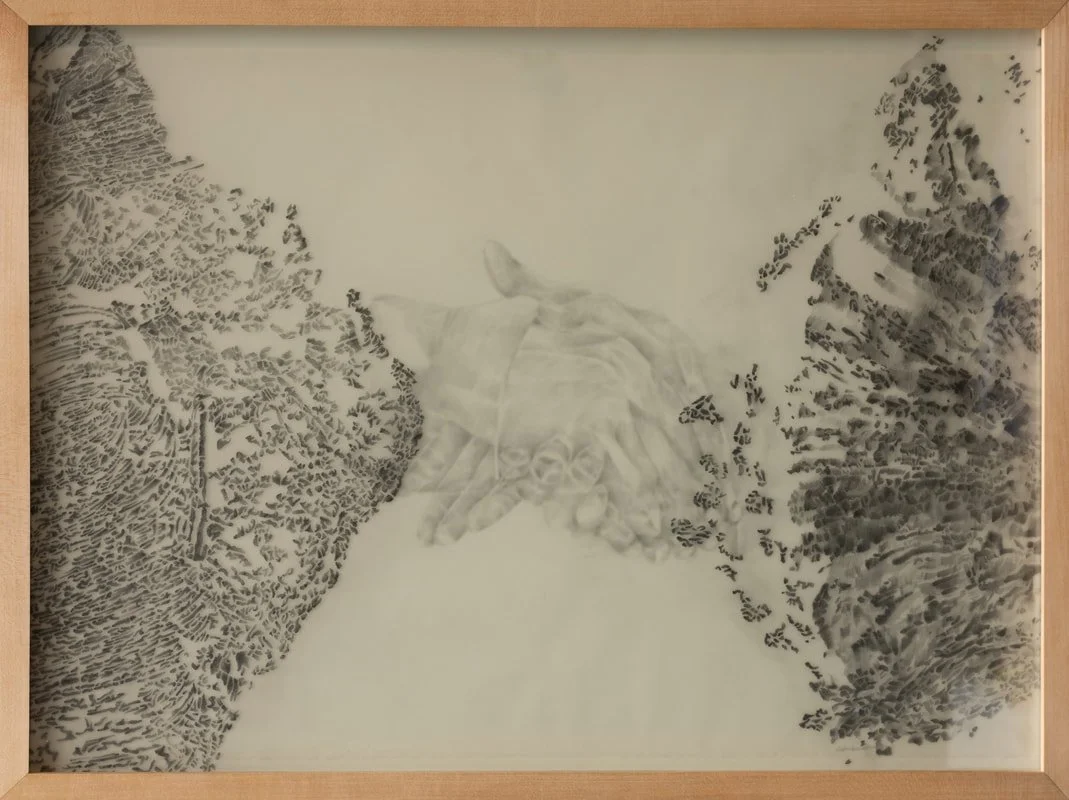
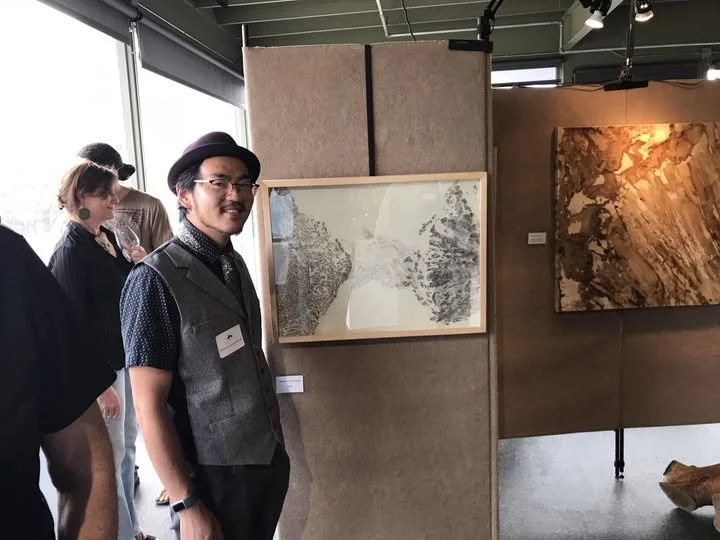
As one of fifty-four artists selected to participate in the Cabinet Oak Project, I re-imagined how a fallen limb of the iconic "Cabinet Oak" came to symbolize the historical events that unfolded under its canopy. "Unity" came out of a personal exploration of LBJ and the wood from the "Cabinet Oak".
Wood bears witness to time and events through its rings. The width and form of each ring depend on the weather. I came to understand these marks as analogues of hardship, lived experience, bounty and perseverance. Within this dichotomy, I saw commonality in my perception of Lyndon Baines Johnson. As president, he worked hard to advance social change and social good through his vision of a "great society". President Johnson, through perseverance, made significant bipartisan advances. He also bore witness to many great hardships.
I combined the oak's visible rings with images of LBJ's hands in my drawing. LBJ's hands came to symbolize the tree. LBJ, like the tree, had become callous and strong.
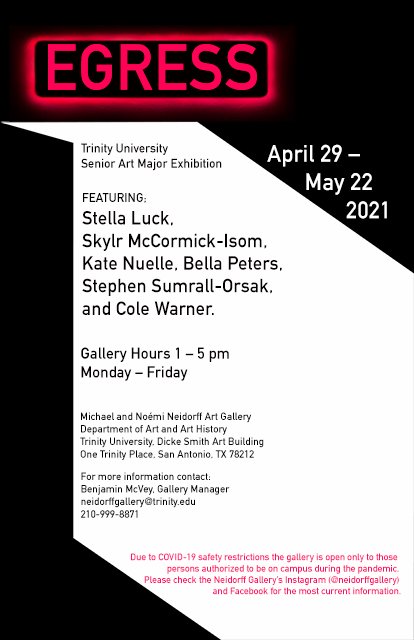
"Egress" -Senior Art Major Exhibition, Neidorff Art Gallery, Trinity University
Spring,2021
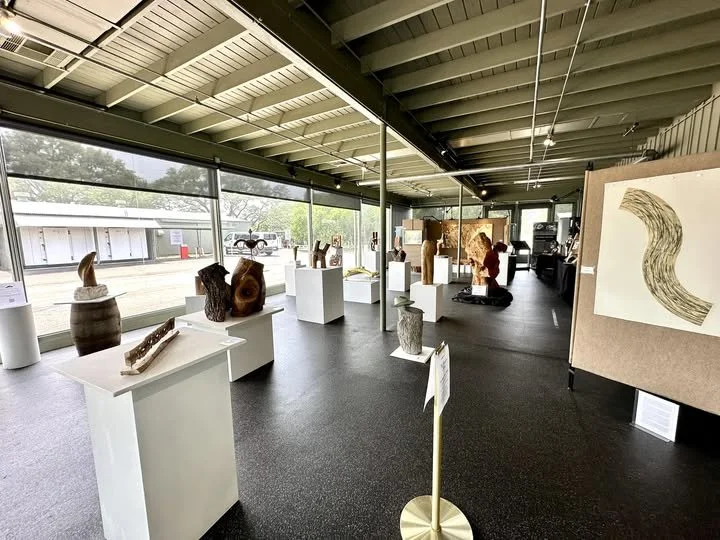
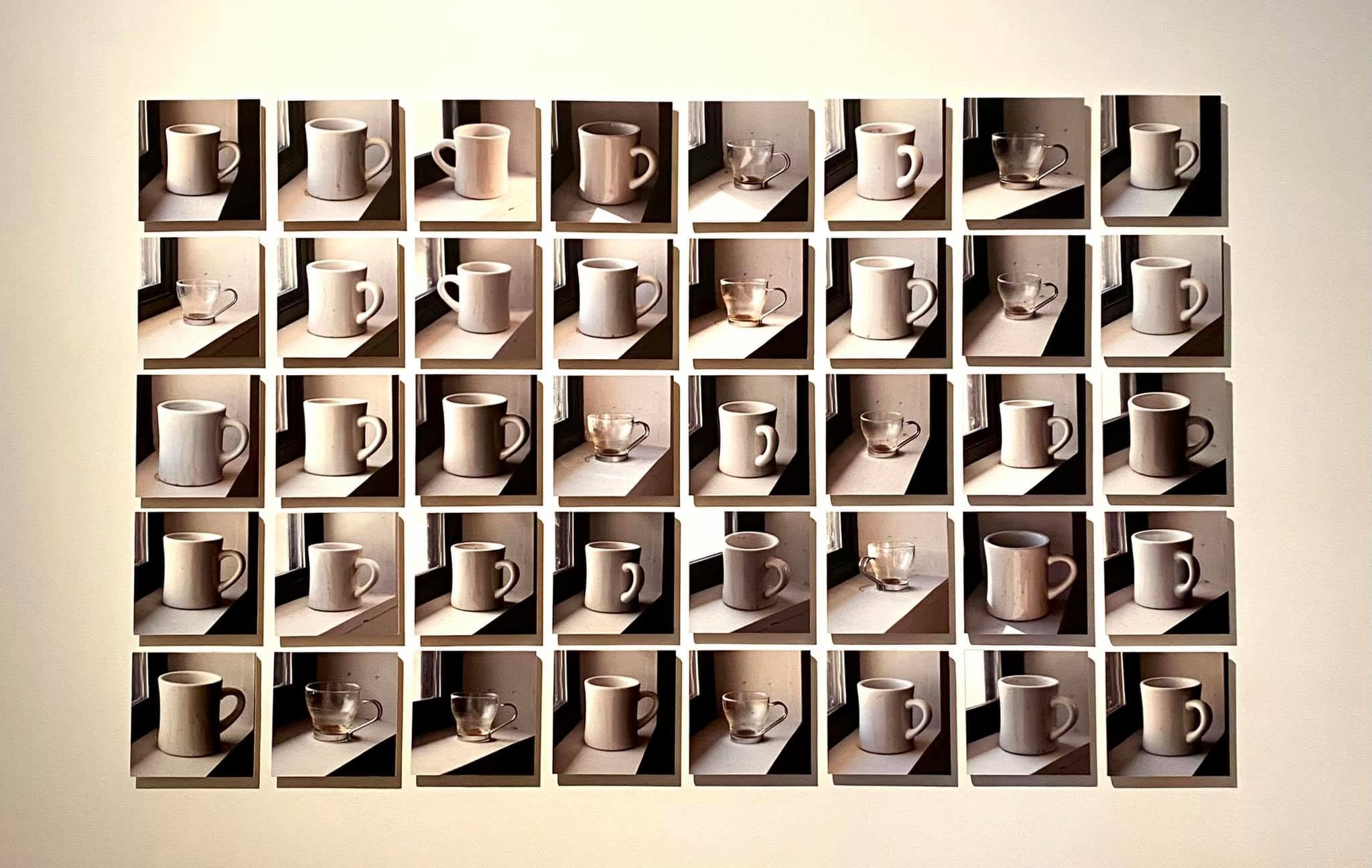
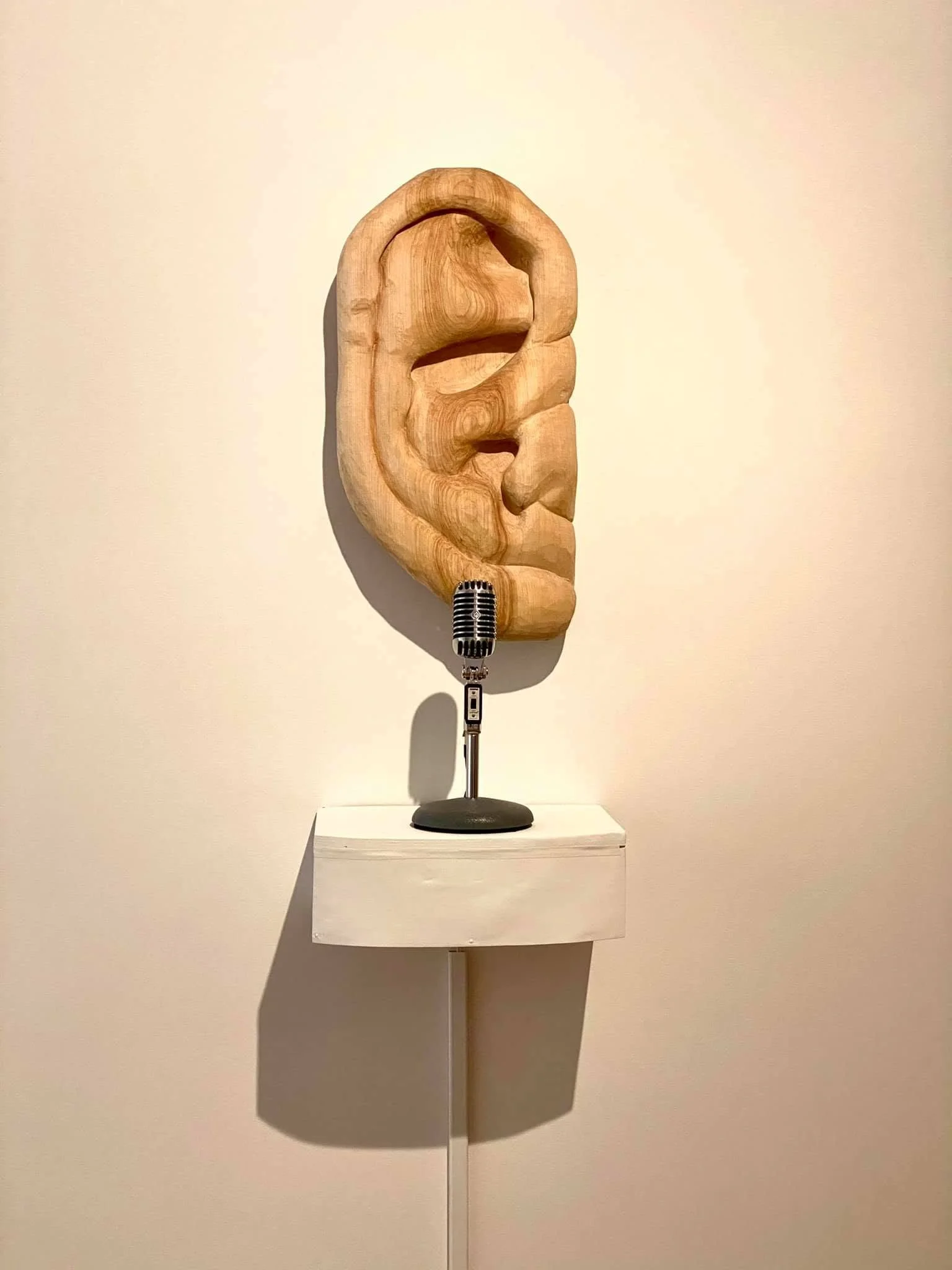
The body of work I completed for my senior exhibition engages with the traditions of craft, constructing relationships between natural attributes of wood and carefully crafted forms. These forms take the shape of organic symbols, such as the human ear, and enlargements of raw wood gain. This approach makes the process a central focus of these works. I wanted the viewer to engage with my work intimately, encouraging careful examination and interaction with the pieces.
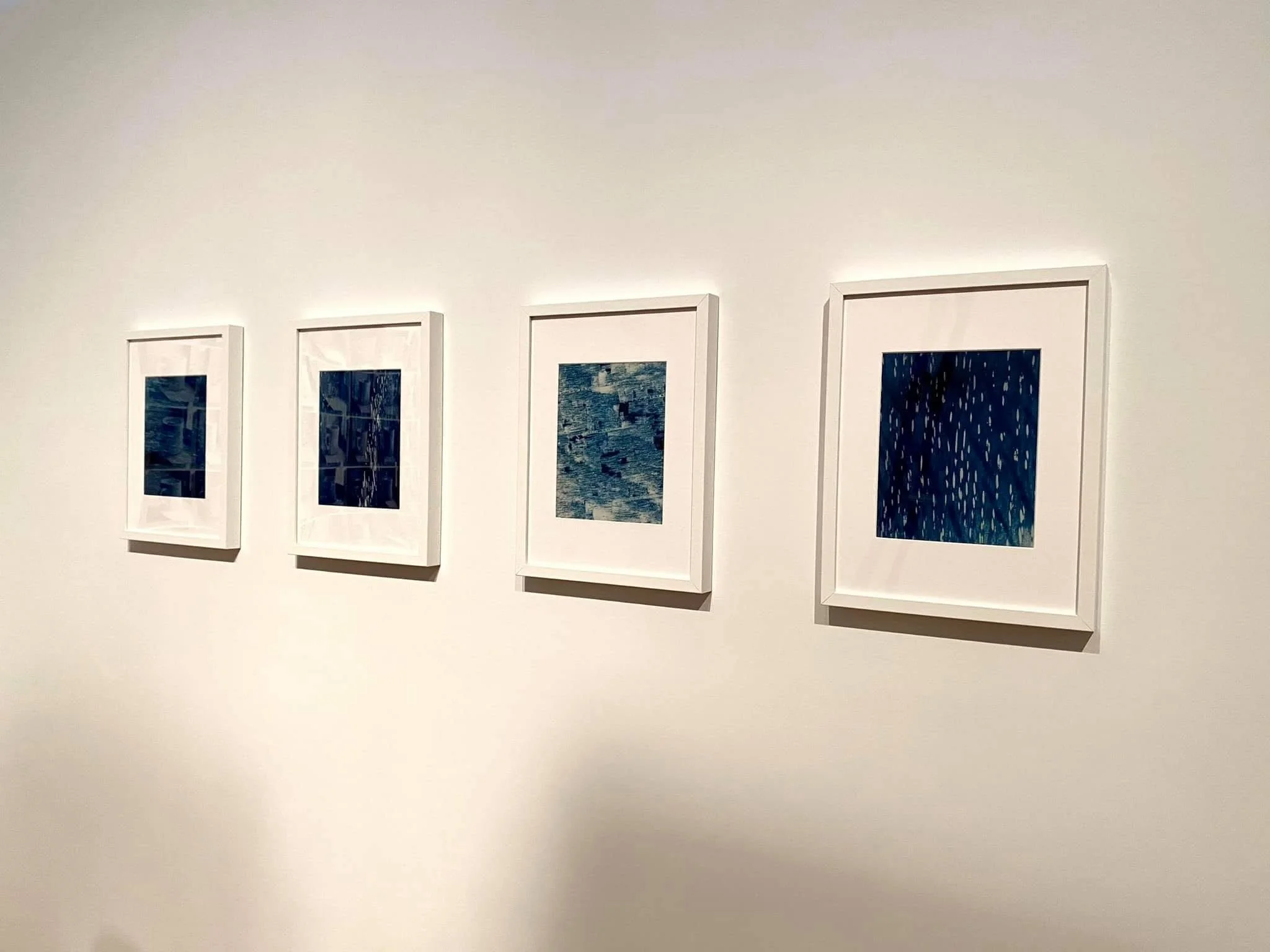
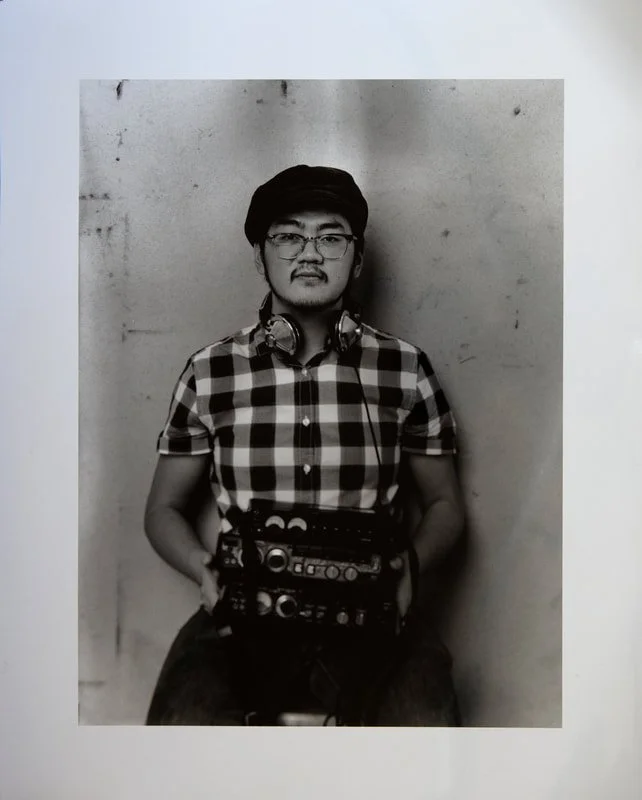
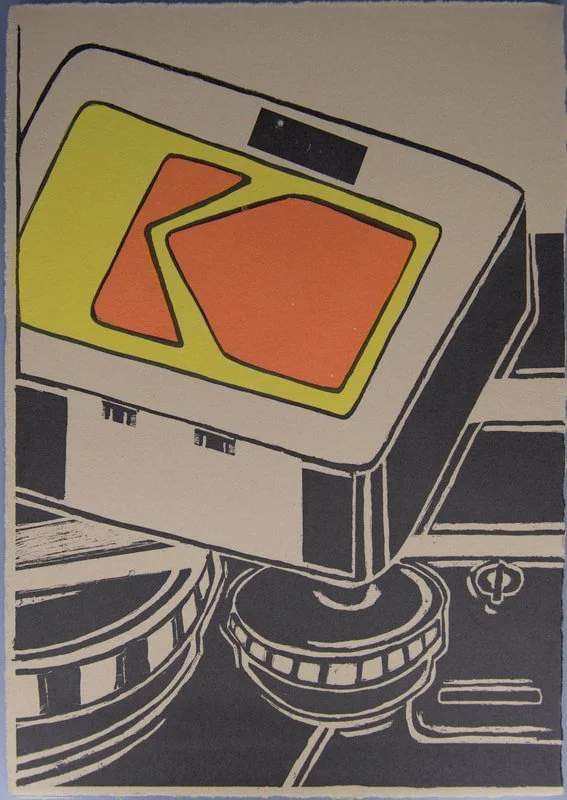
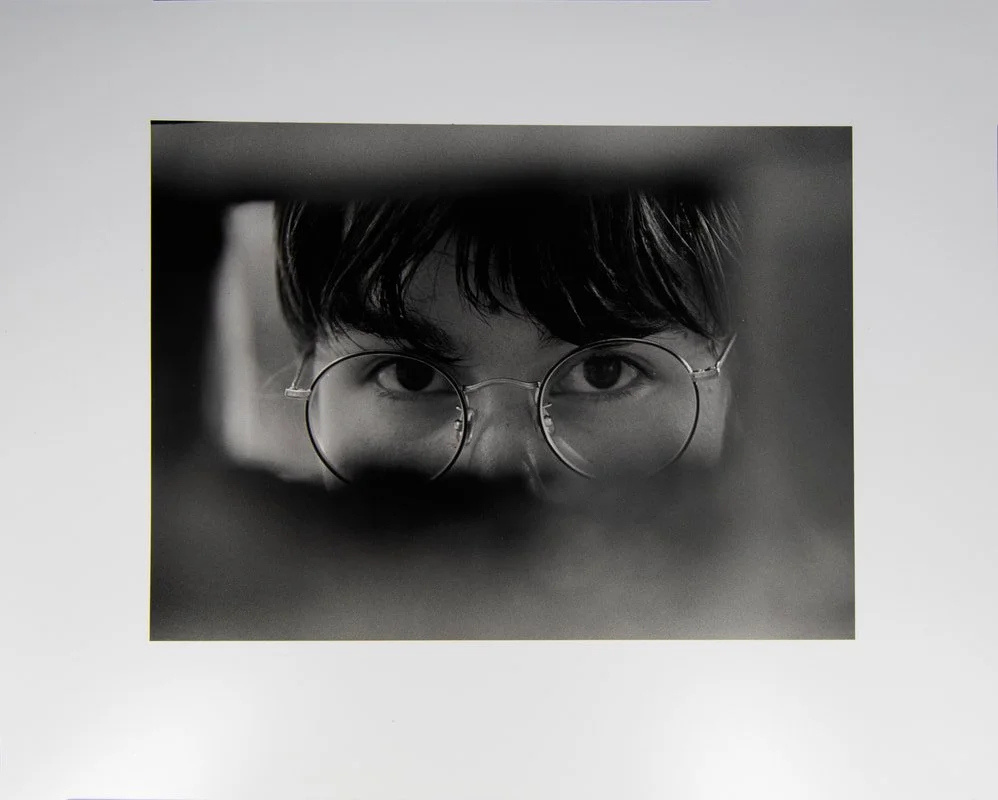
I bring the beauty of the past into the present through traditional creative processes. I work with hand tools, such as chisels, gouges, planes, or saws, to slowly carve a piece of wood. I also work with analogue film and slides, and in my drawings I gradually build up tones with dozens of layers of graphite and charcoal. My painstaking creative processes are rooted in my rejection of today’s fast-paced culture. We are more than internet culture, disposable culture, urbanization, or instant gratification. I ask the viewer to slow down, to ponder, to appreciate the beauty of old processes. My work is something you can hold and interact with; it has tactile qualities that don’t transfer through a screen.
Sumrall-Orsak explained that his work confronts a variety of themes he encountered throughout the COVID-19 pandemic — including stagnation, routine, repetition, politics, natural beauty, and the passing of time.
“I am inspired by the intersection of tradition and contemporary culture. I like to think of the world including myself within a continuum of practices and technology which have morphed into society as we know it today. I utilize craft process in much of my work favoring a slower process of making. I see these practices as a rejection of today’s rapid culture and a celebration of the time-consuming process of creating,” Sumrall-Orsak said. - The Trinitonian, May 21, 2021
Selected Course Works
University, 2017-2021
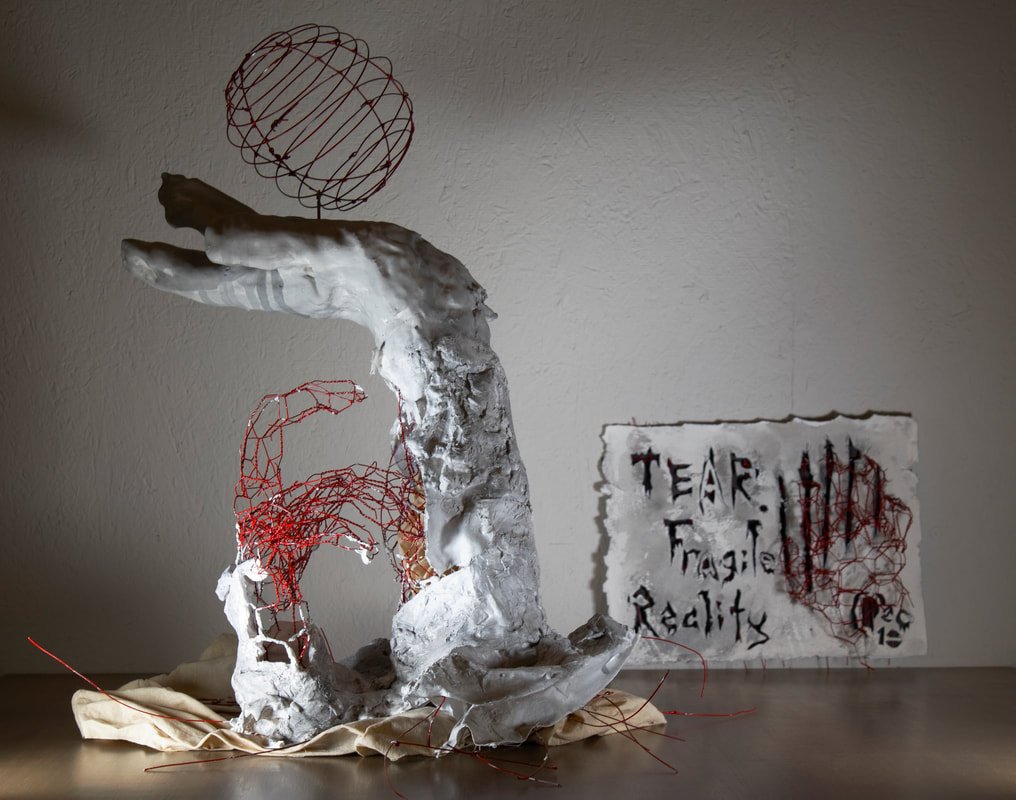
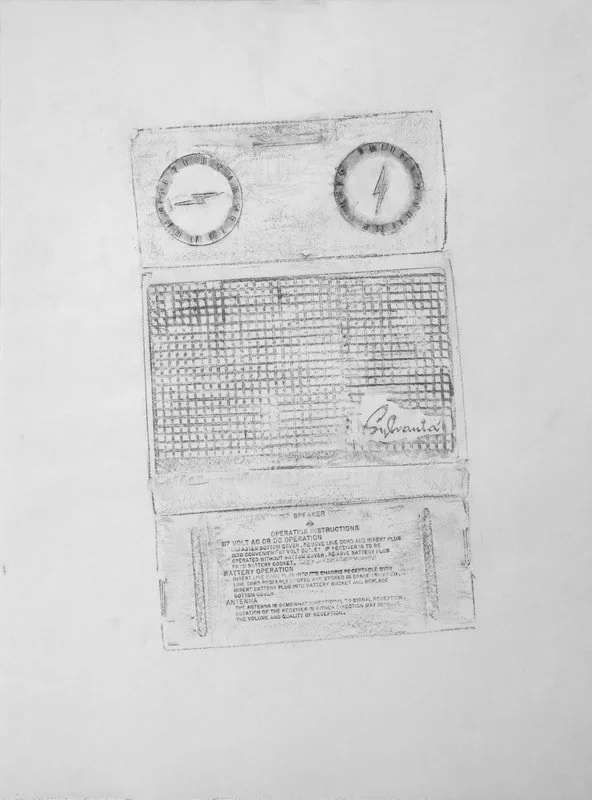
The following body of work represents the evolution and refinement of my style and medium during my studies at Trinity University. My methodology and medium focused on analogues such as film photography, hand transfers, hand tools, antiques, and drawing. My focus was shaped by these components, leading to an art-making process that integrated traditional methods with reflections on historical relevance, modern obsolescence, and the beauty of craft.
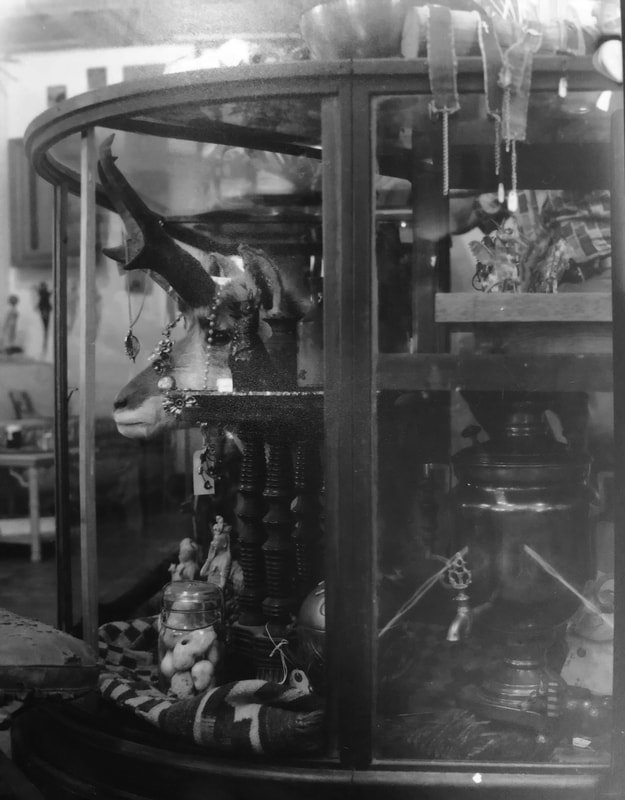
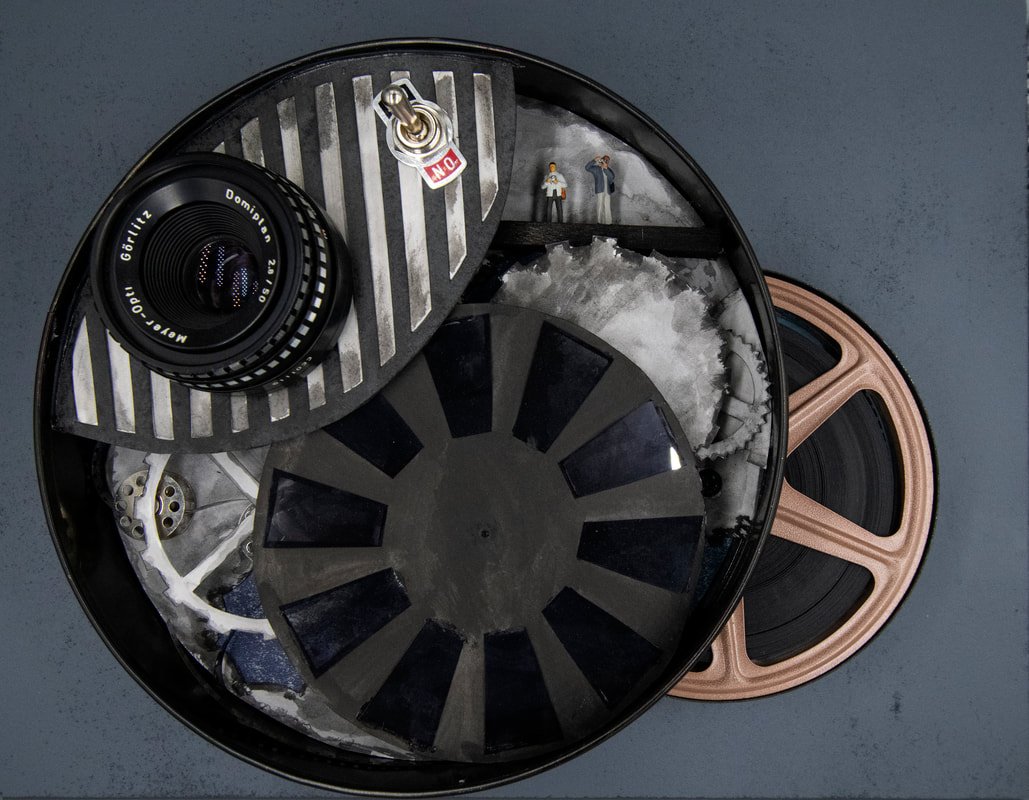
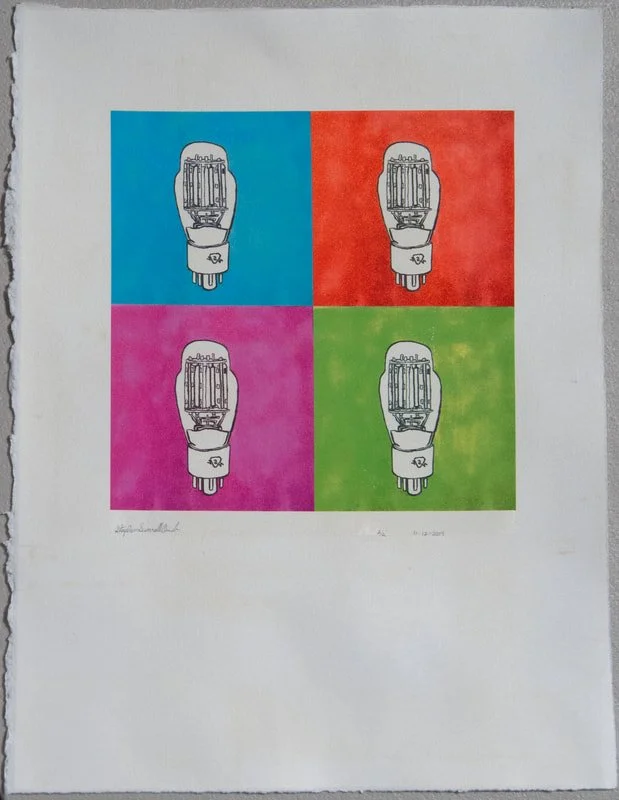
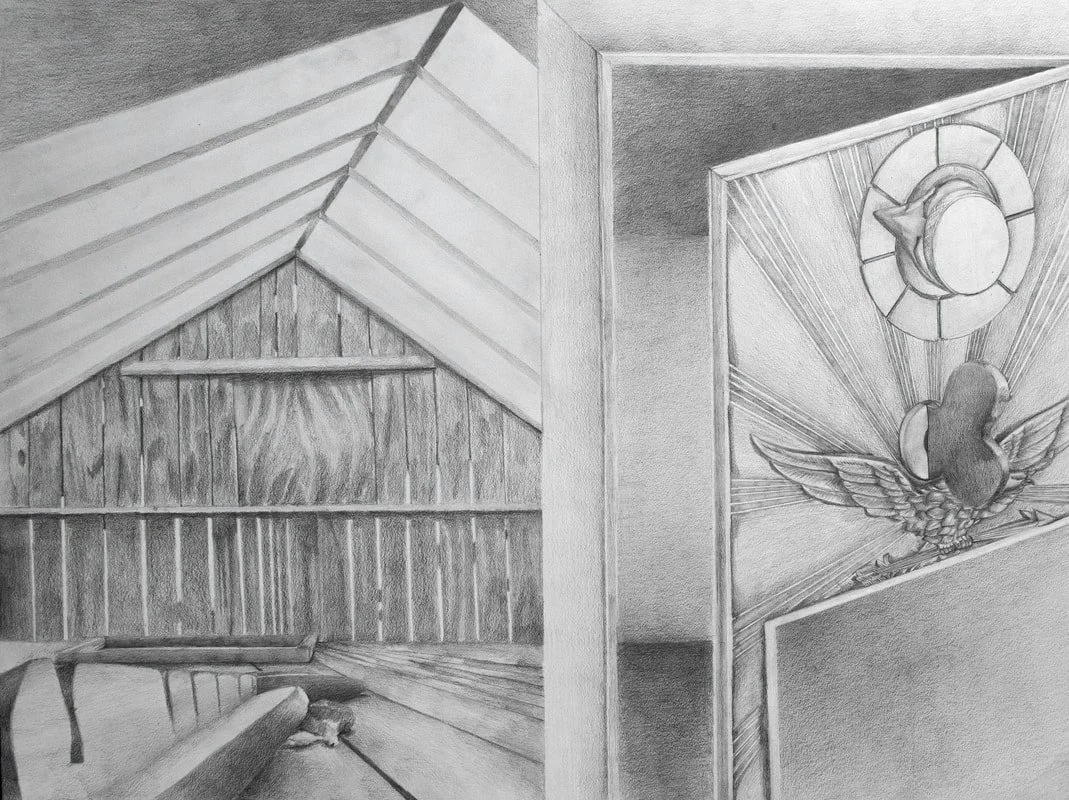
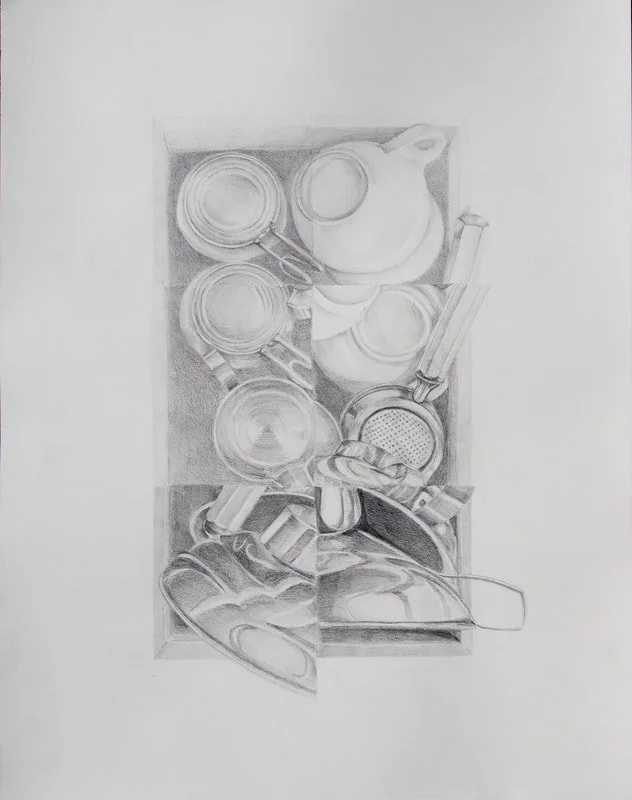
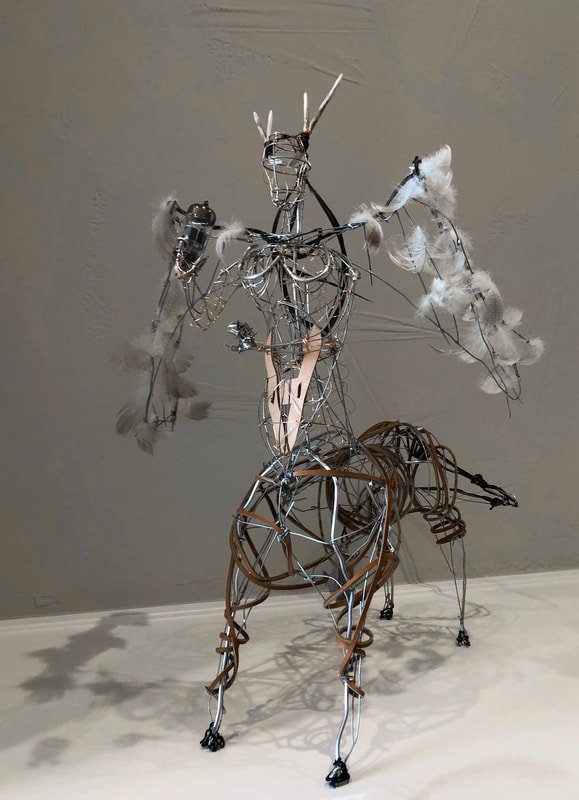
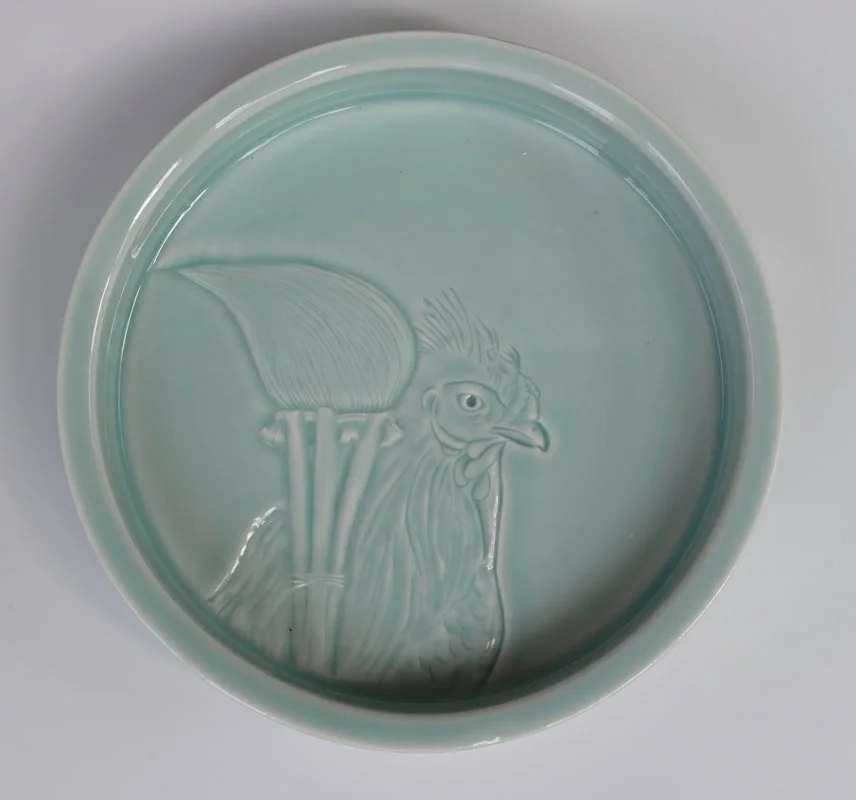
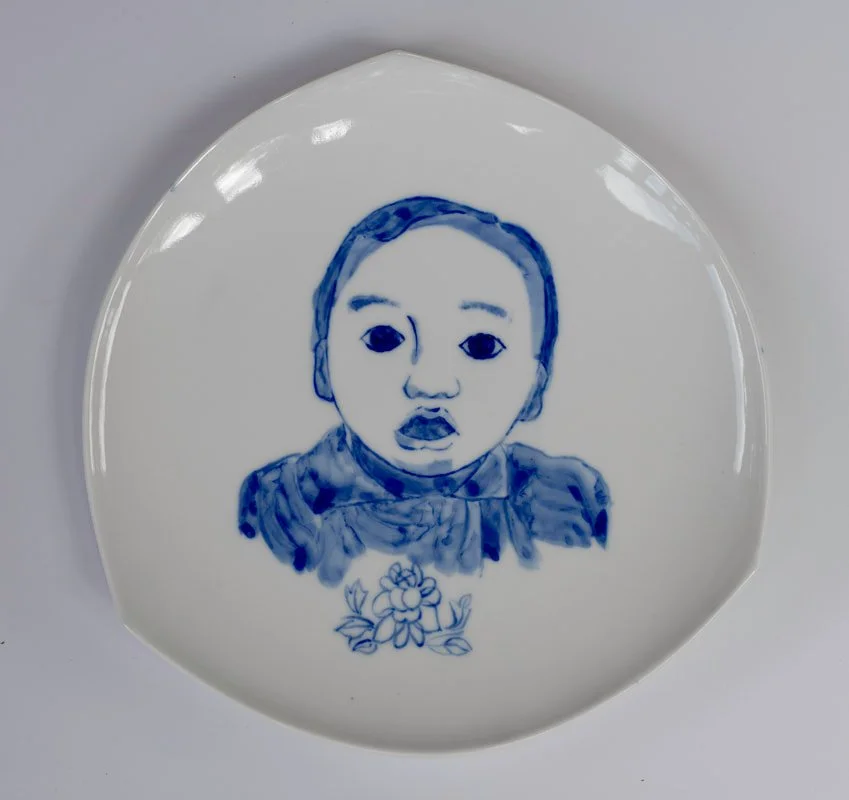
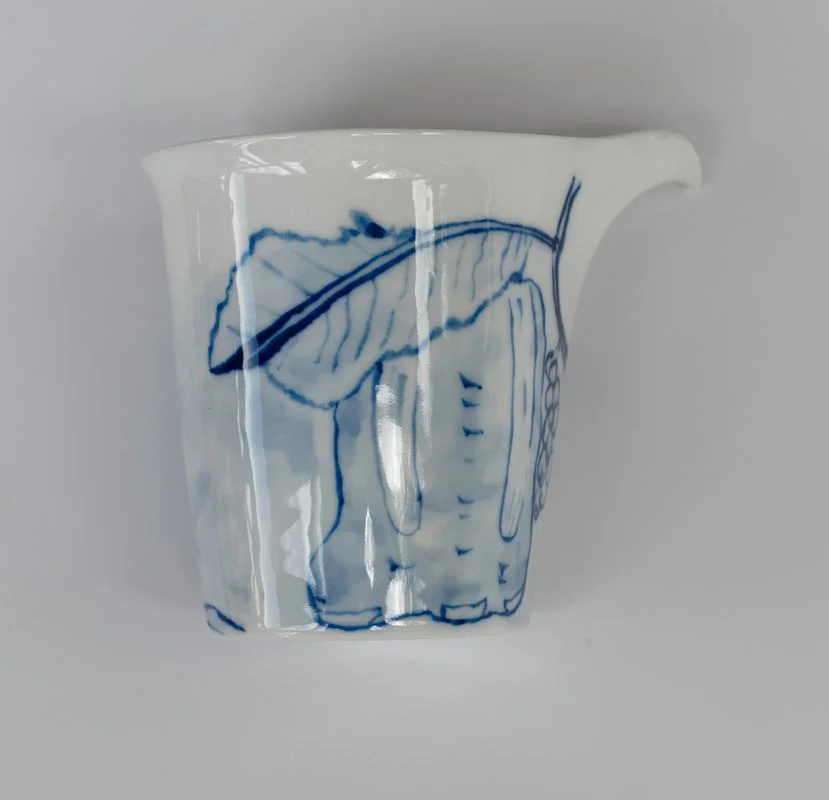
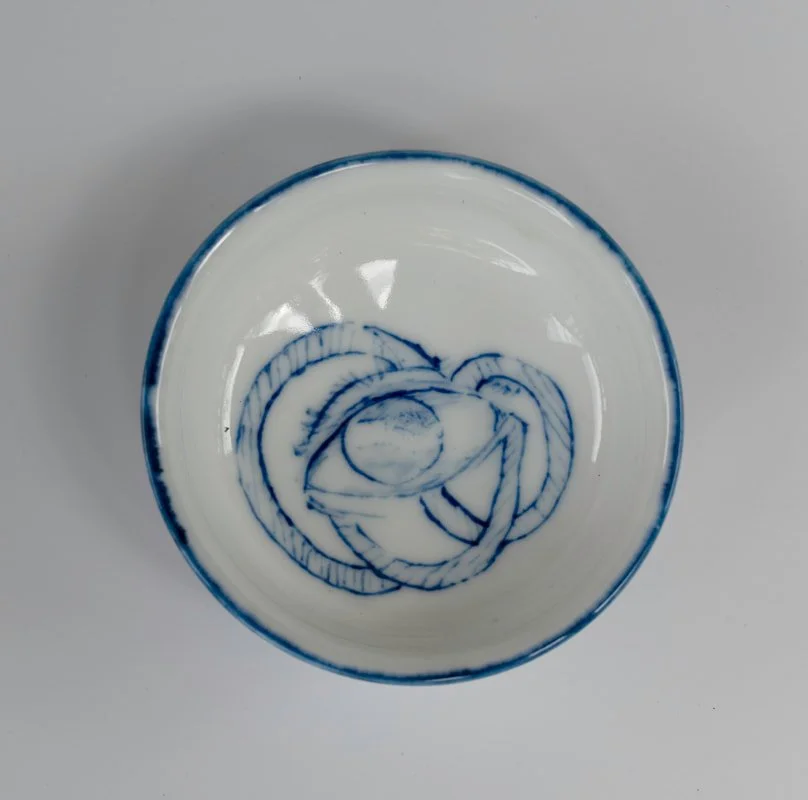
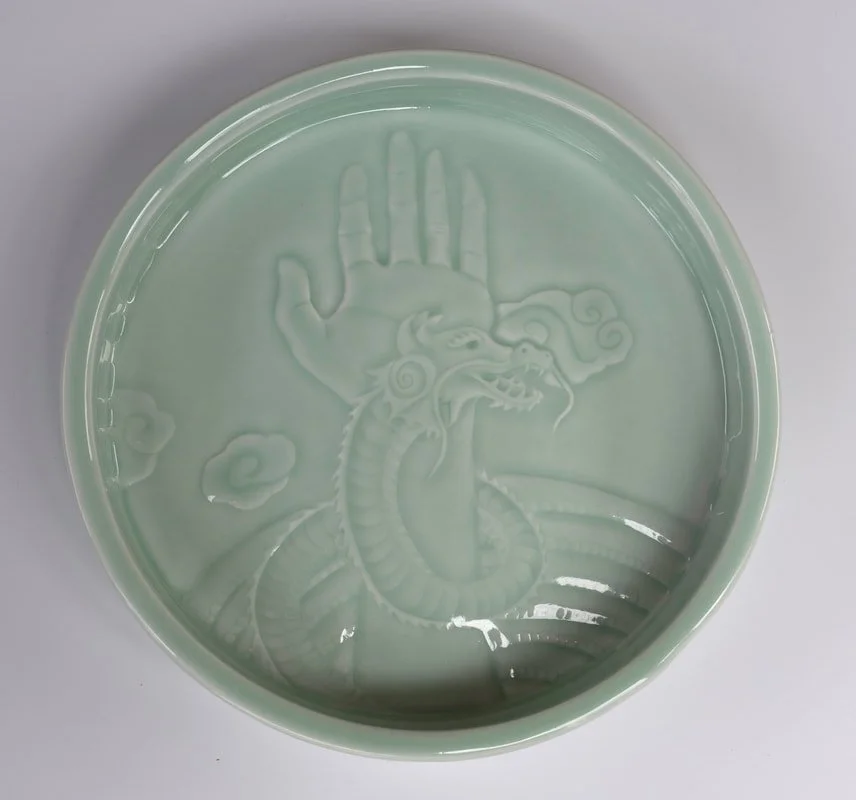
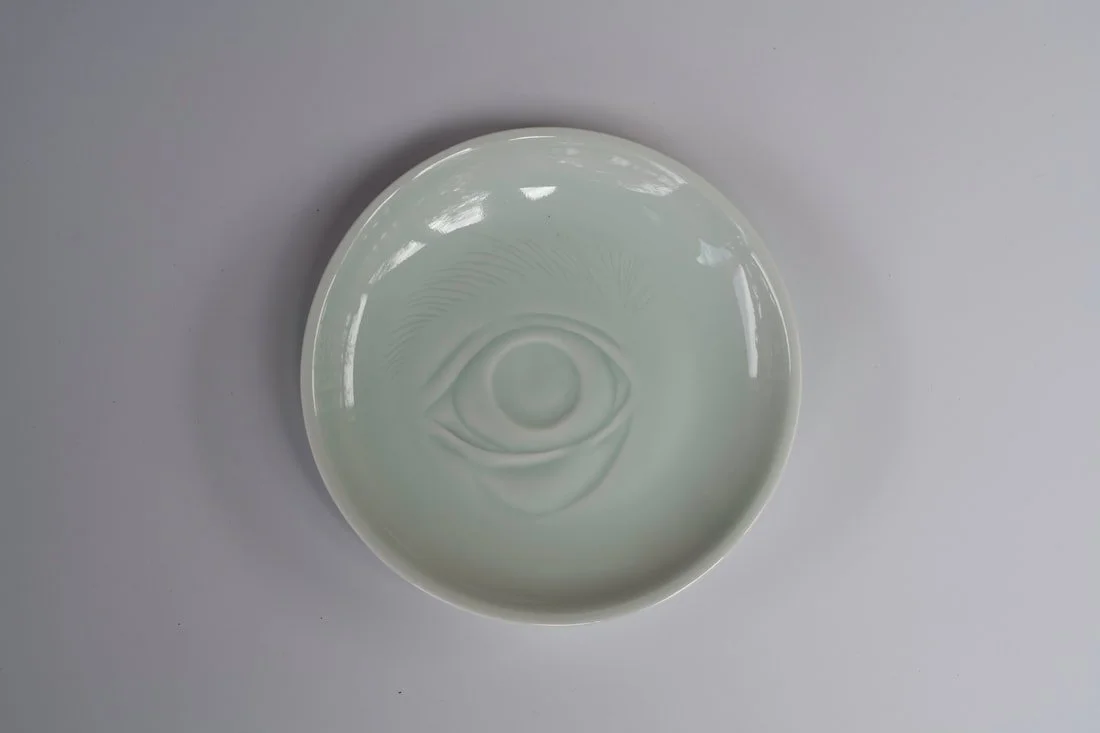
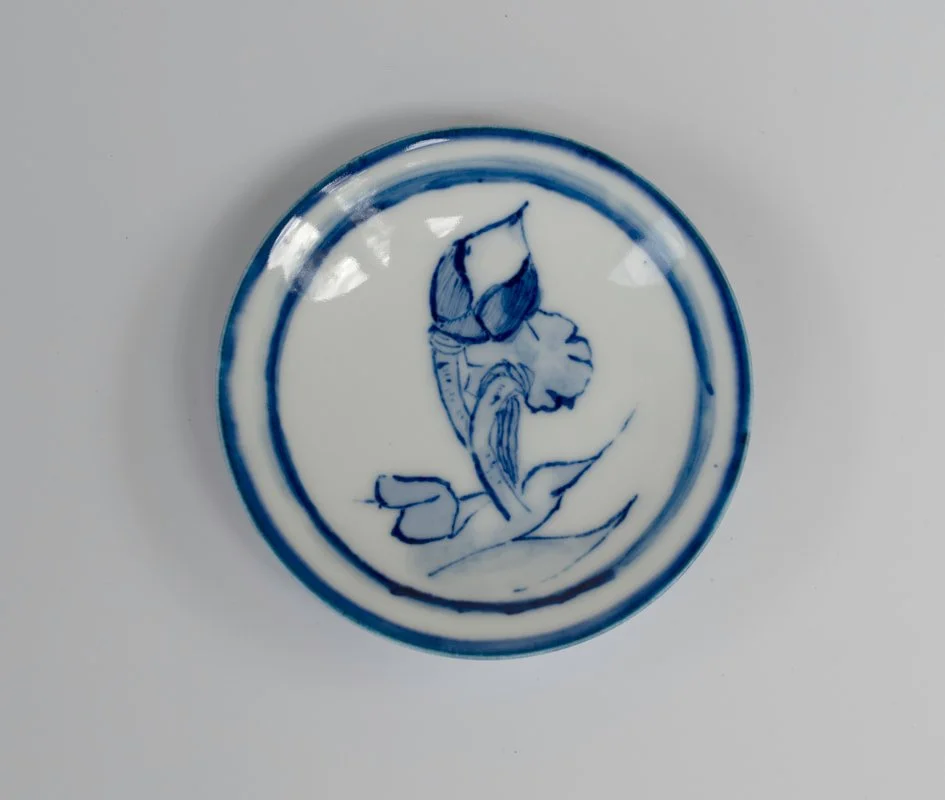
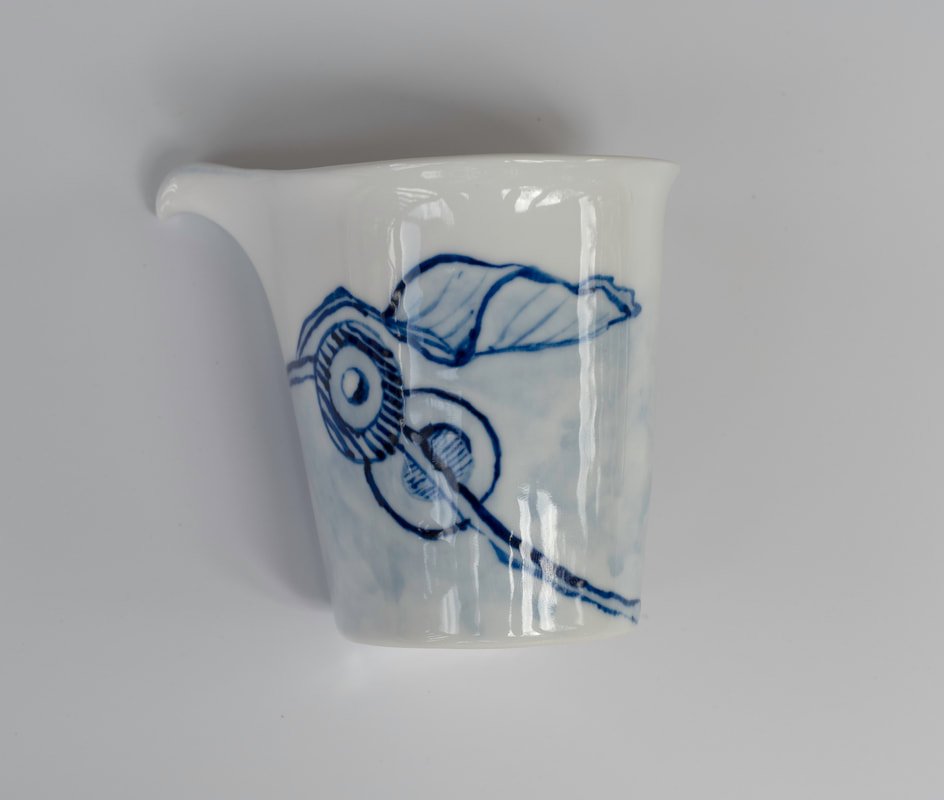
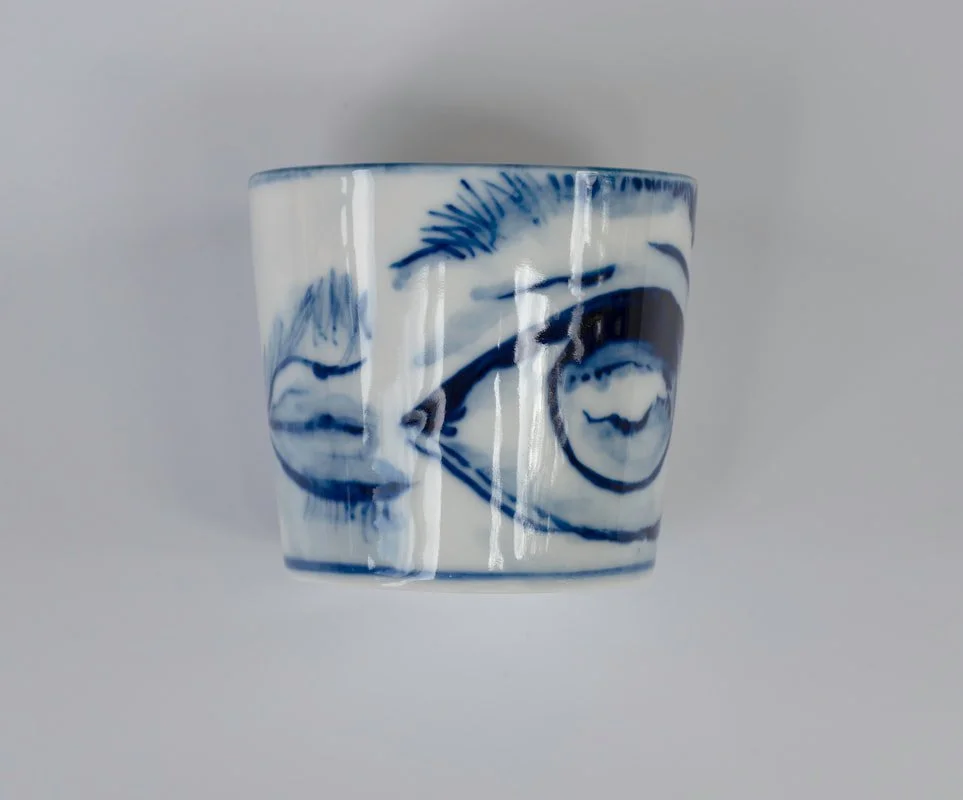
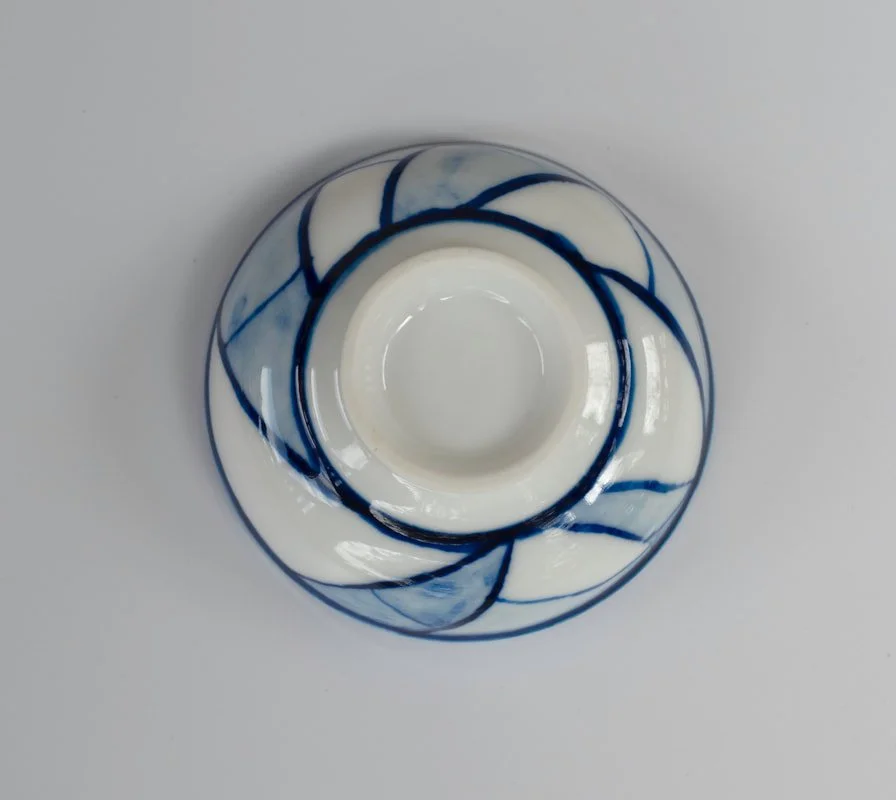
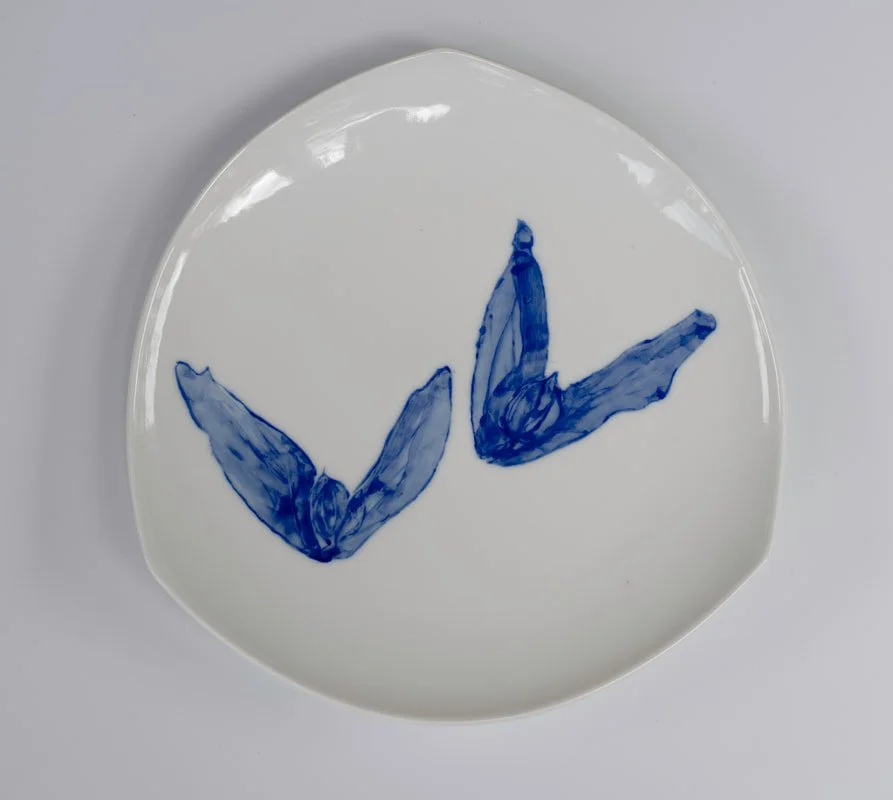
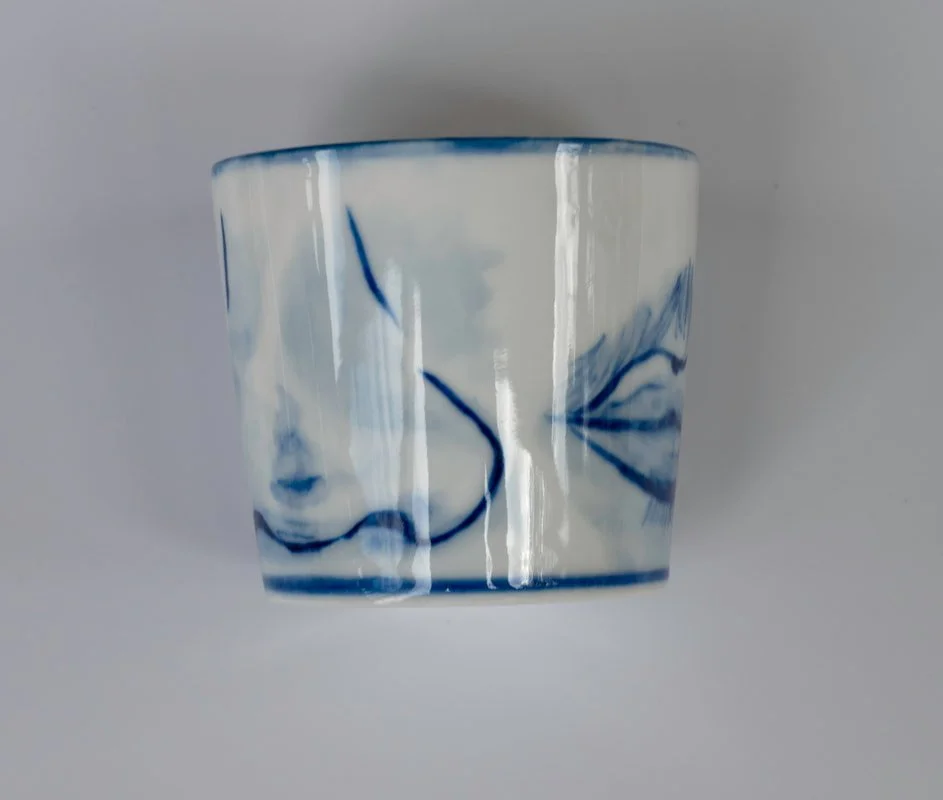
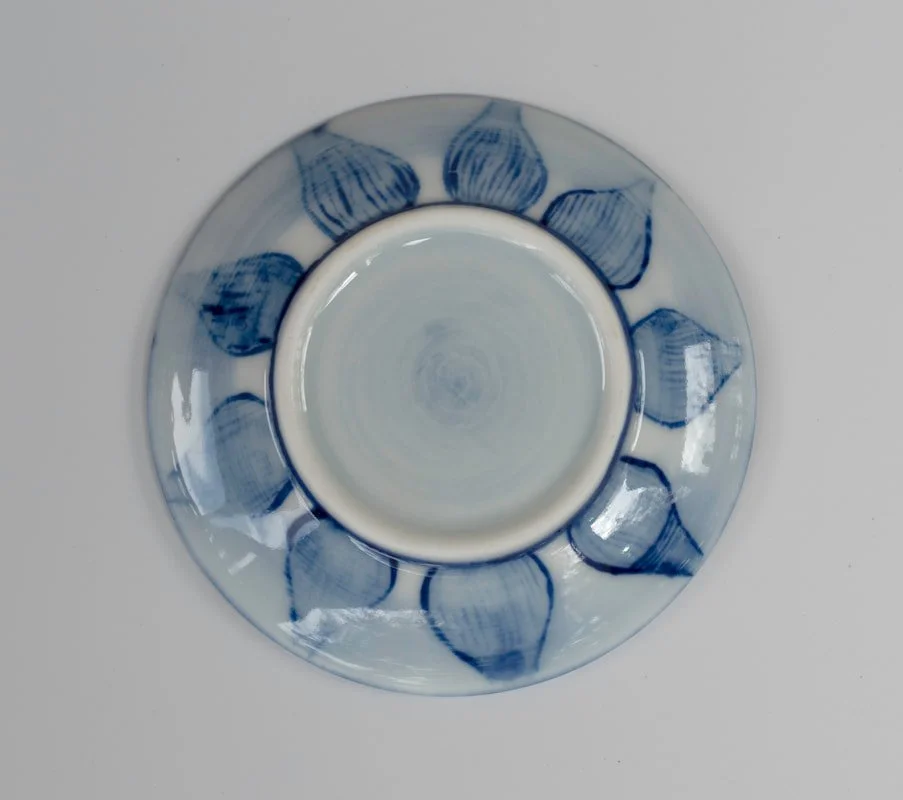
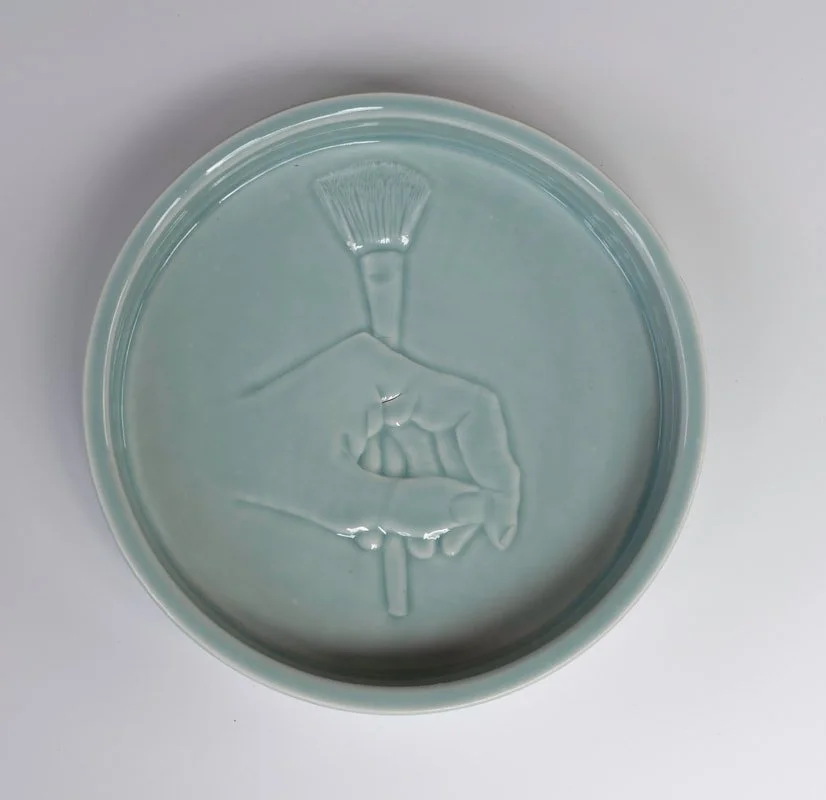
The Pottery Workshop, Jingdezhen, China: A study Of Chinese Ceramics
Summer, 2018
I visited China. I created a series of ceramic pieces that merged Chinese materials and methods with my own style and conceptual focus. The trip resulted in work inspired by a renewed sense of cultural identity. My work was intended to capture my experience of the Chinese setting and culture. I worked with unfired blanks, which I glazed, painted, and carved. These new sets of skills were acquired through observing local craft masters.
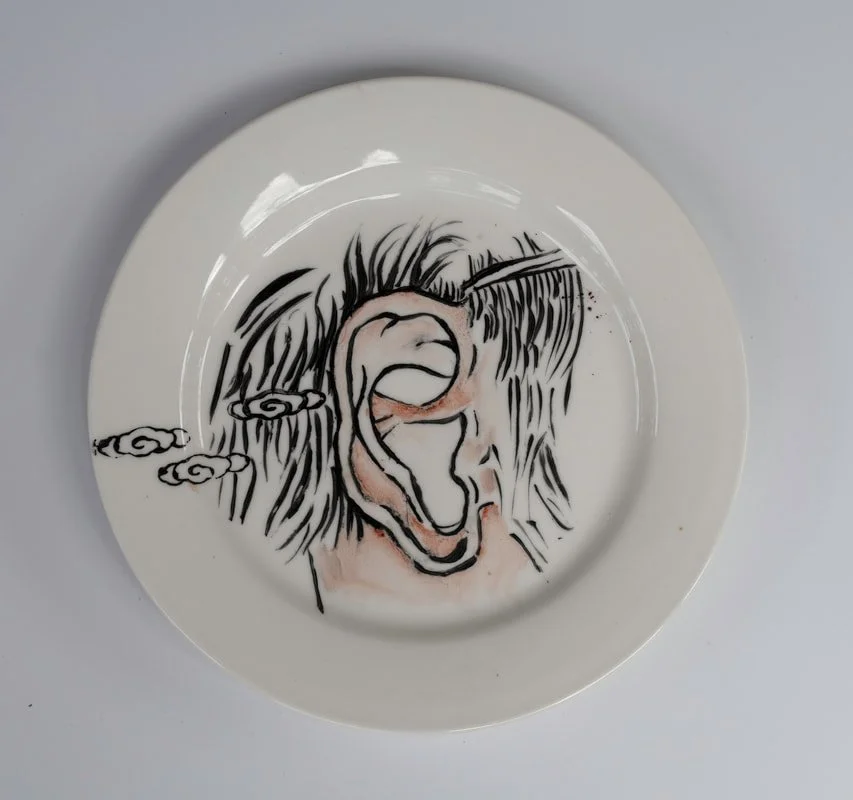
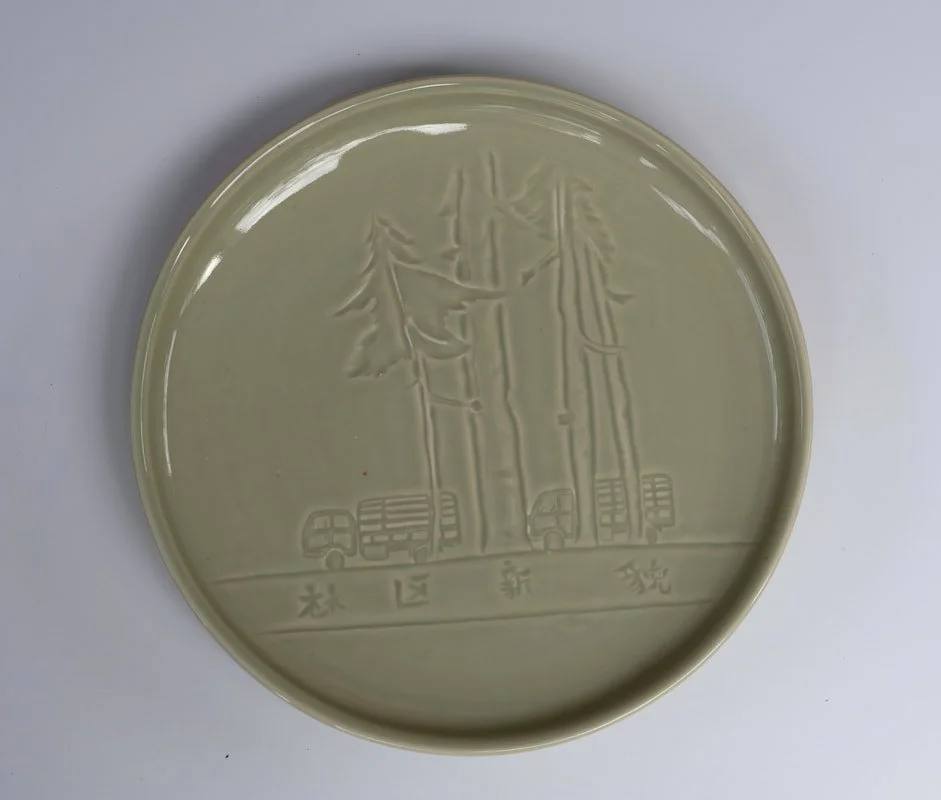
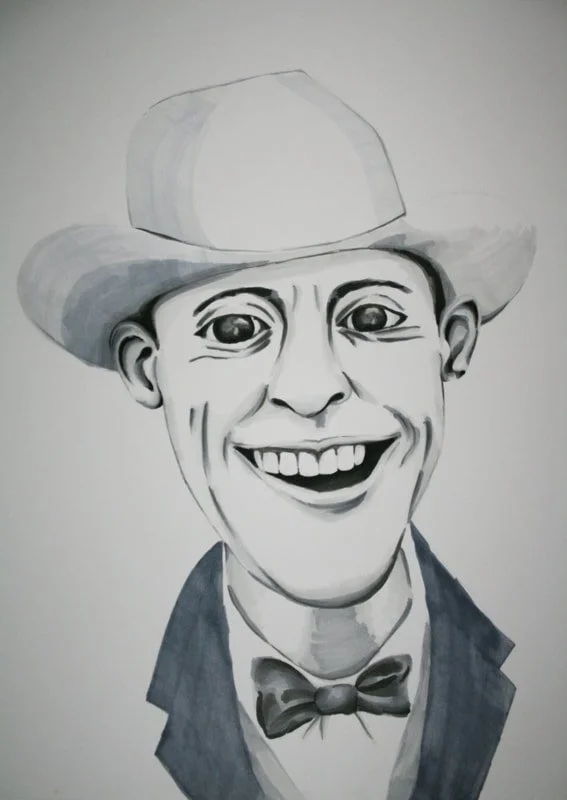
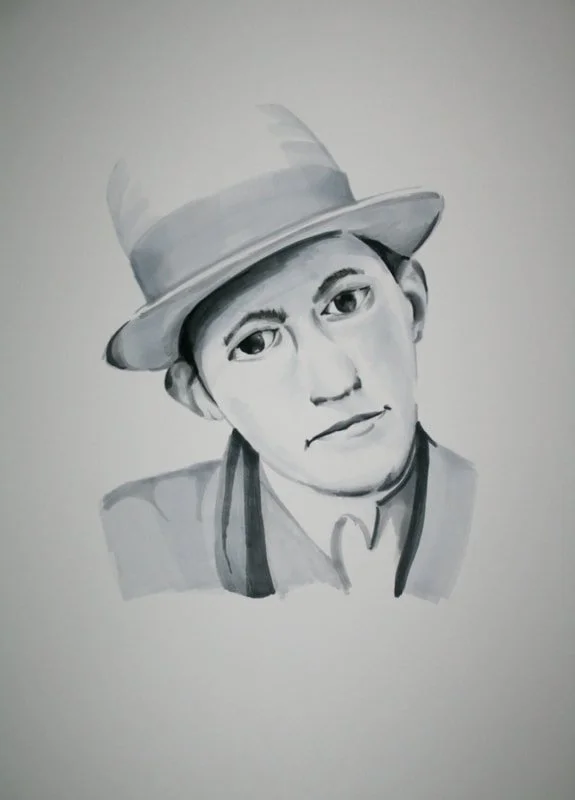
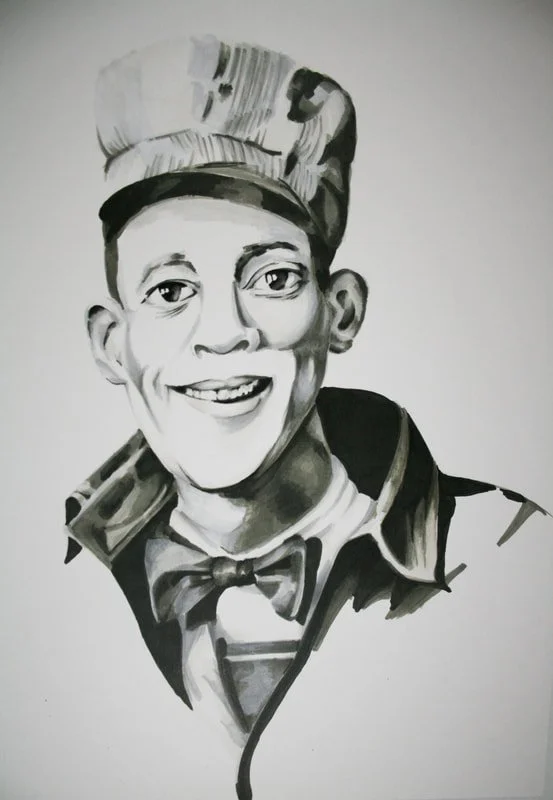
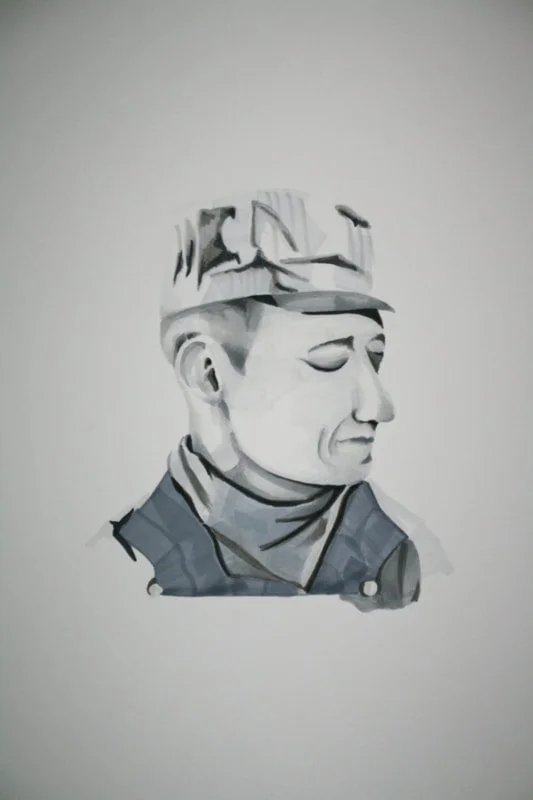
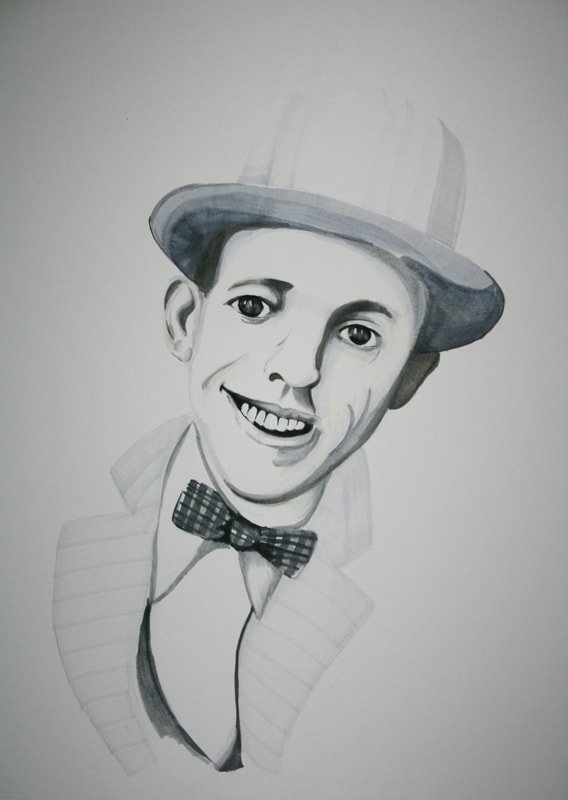
Jimmie Rodgers Tribute for Texas Heritage Music Foundation
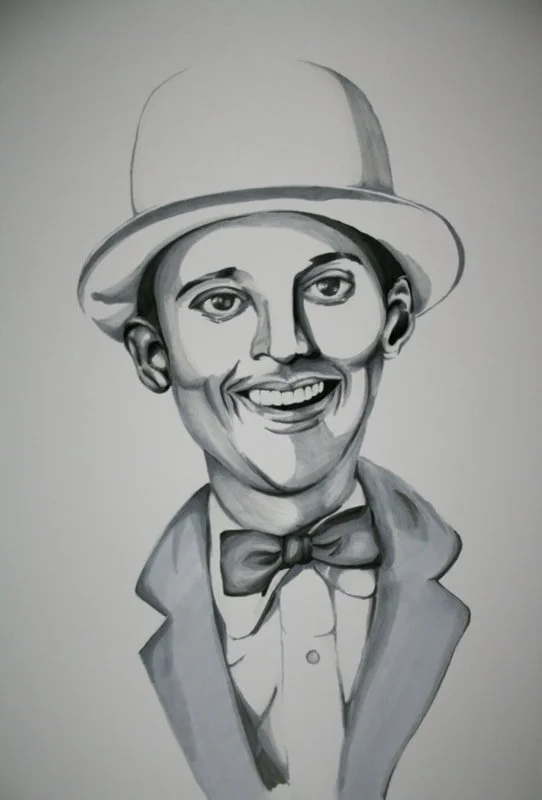
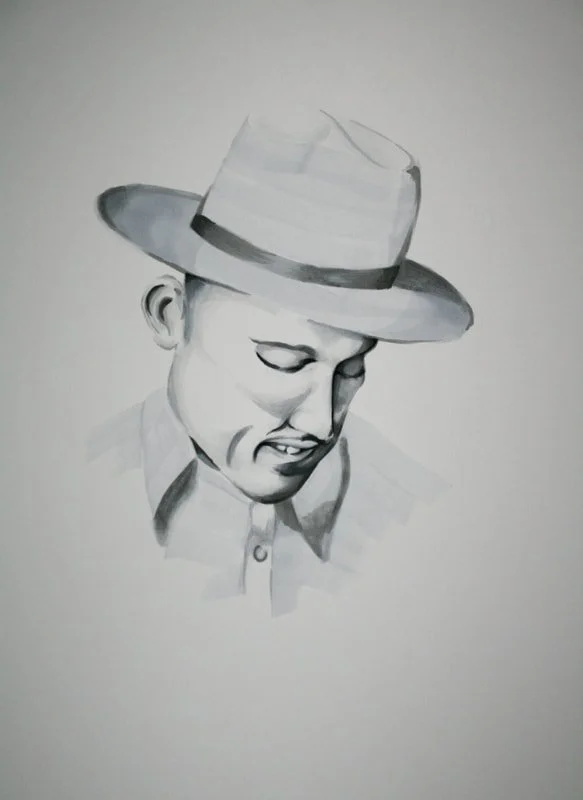
Summer, 2020
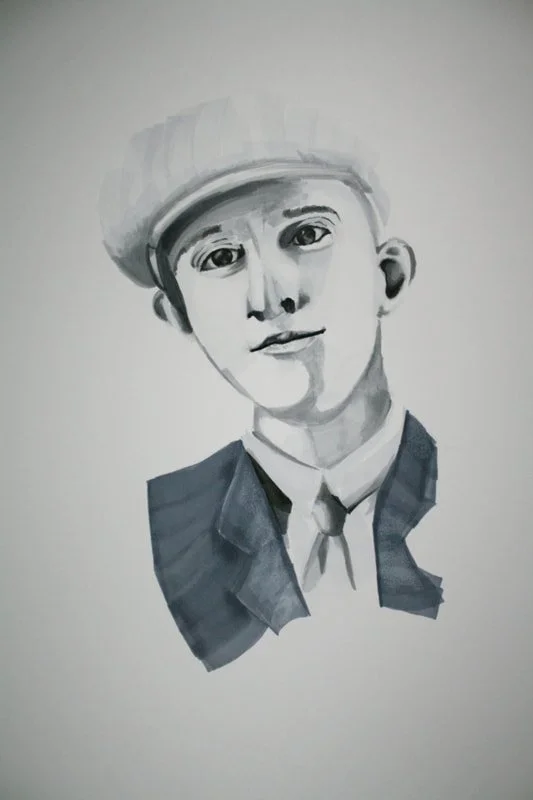
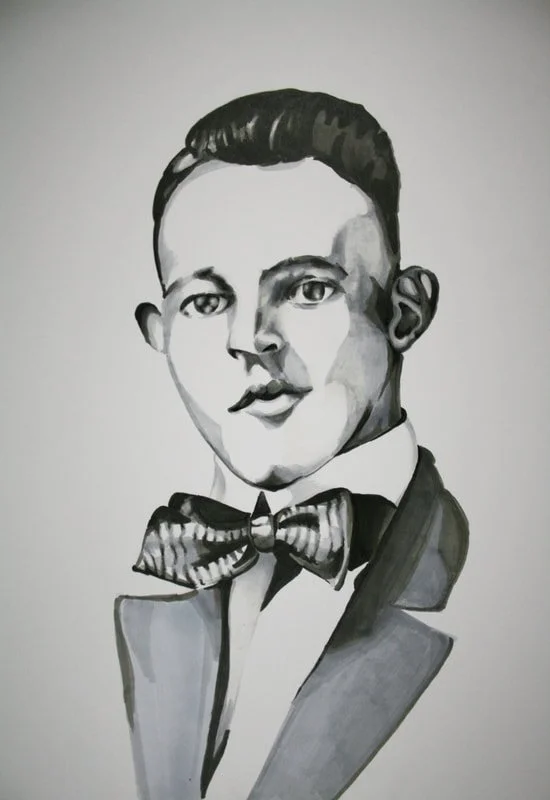
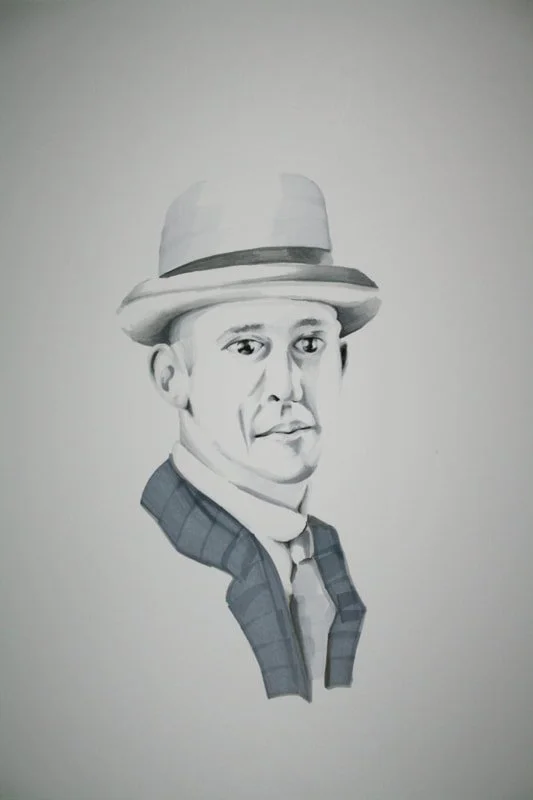
A body of work preserving the legacy of Jimmie Rodgers and his significant contributions to the genre of Country Music in collaboration with Texas Heritage Music Foundation and Schreiner University.
Manifesto
DEFINING THE LAY OF THE LAND: A TOPOGRAPHIC STUDY
Topography… “the arrangement of the natural and artificial… features of an area” (Oxford Languages).
Topography defines the artistic focus.
The artist is the topographer and the art… is a map.
The hills, mountains, and valleys are physical features, but they are also more.
They are subtle curves carved in wood.
They are the rings of a tree, the bands of grain running through a piece of lumber, and more…
They are tried ideas, customs, cultures, ideals, ways of life, and people.
The maps to… are broader.
The artist’s maps, like the features being plotted, are transient, non-linear, complex, and paradoxical.
They are the lines, veins, patterns, and patches of graphite on paper, which are alone nothing, but together are comprehensive.
They are the creation and terraforming of material, the forming of anatomy hewn from wood, the creation of skin from cellulose.
They are the accumulation of marks on paper that become a form.
The artist must be vigilant, for the landscape is always changing.
What is there at one point may be gone at another.
Many of the features: people, ideas, objects, and landmarks are bound to disappear, but leave a mark… an index, a scratch… a marker, an idea, an echo of something before.
The artist must perceive nuances and carefully note their position, not only in physical space, but also in time.
Like a record being played by a needle, every mountain and every valley is both set in a specific locality and time.
The art… the topography… grapples with the artist’s positioning in relation to the landscape.
Wood grain, paper texture, the accruing of graphite, the depositing of silver these are markers of topographical specificity.
The piece becomes a cityscape, a grid, a movement, something indicative of the greater.
The careful plowing of metal through wood, the severance of grain, the removal of layers… unearth history and topography.
Traditional, urban, modern, old-fashioned, outdated… these are some of the accepted set of topographical markers available, yet insufficient.
Nothing is too outdated, old, or out of favor for the artist. Instead, these components contribute to the landscape.
The old piece of film stashed away, the axe with a rotted handle, the rusty chisels in the back of a drawer… they have something to add… their own understanding of history and space, which is unearthed through the artist’s hand.
The artist seeks to understand more precisely. Whether it is a tool, a movement, an ideal, a building, or a vista… the artist strives to understand its unique topographic position amongst its lineage and descendants.
The map connects these ideas… times, places, and objects through a physical medium.
Physical experiences, studies, and ponderance bind these concepts together into art.
Traditional methods of working, slow and methodical applications of graphite and charcoal, the action of hammering, of gouging, of chiseling, and of hewing imbue my materials with topography.
Wooden ears, chemical photography, film projections, graphite and charcoal drawings, these are the artist's maps.
This finished art brings new meaning and perspective to the landscape through contextualization… adding specificity through human connection and spatial-temporal grounding.
Curriculum Vitae
Stephen Sumrall-Orsak
Education
Trinity University, San Antonio, TX 2021
BA in Art, Minor in Film Studies
Summa Cum Laude
Phi Beta Kappa
The Pottery Workshop, Jingdezhen, China 2018
Summer session through Southwest School of Art, San Antonio, TX
Studies in ceramics, pottery carving, glazing, and local techniques
Exhibitions
Friends, Kerr Arts & Cultural Center, Kerrville, TX                                                                      2026
Tatum Collaborative Event, Studio Sumrall-Orsak, Marble Falls, TX                                   2024
Cabinet Oak Project, LBJ National Historic Park, Stonewall, TX                                             2023
Egress, Senior Art Major Exhibition, Neidorff Art Gallery, Trinity University,
           San Antonio, TX                                                                                                                     2021
Porcelain Studies, Kirchman Gallery, Johnson City, TX                                                           2018


Awards/Grants
Trustee’s Scholarship, Trinity University, San Antonio, TX                                                       2017-2021
Baker Duncan Art Scholarship, Trinity University, San Antonio, TX                                       2017-2021
Mellon Mini-Grant, Trinity University, San Antonio, TX                                                             2021
Departmental Excellence Award, Art Department, Trinity University, San Antonio, TX    2021

Relevant Experience
Archives Intern, MarkSmithArt.com, Johnson City, TX                                                              2021
Archives Intern, Blue Star Contemporary, San Antonio, TX                                                     2019
Newspaper Photographer, Trinitonian, Trinity University, San Antonio, TX                          2017-2018
Art Intern, Texas Heritage Music Foundation, Kerrville, TX                                                       2016-2017

Collections
Trinity University Library Collection, San Antonio, TX
Museo Benini, Marble Falls, TX
Texas Collection, Schreiner University, Kerrville, TX

Bibliography
Leslie Contreras, Through the Eyes of a Child,” Houston Chronicle, February 23, 2025
https://www.chron.com/neighborhood/bellaire/news/article/Through-the-eyes-of-a-child-9769601.php
Arriving
SUMRALL|ORSAK Studio is located at 1510 N US HWY 281, Ste 102, Marble Falls, TX 78654. There are 2 buildings in the Casa Blanca center. Both the Gallery & Studio are located on the back side of the center. The building on the left (south) houses Stephen's studio, and the building on the right houses the gallery.
SUMRALL | ORSAK Studio is open by appointment only.